
Creating a safe, comfortable baby space at home doesn’t have to be overwhelming. With thoughtful layout, the right gear, and simple daily habits, you can make a nursery or corner that supports sleep, play, and development while keeping hazards to a minimum.
This guide covers practical, evidence-informed steps you can take today—furniture choices, sleep setup, storage and organization, air quality, feeding and changing zones, play areas, and the technology that helps you monitor and baby-proof efficiently.
Safe sleep: basics that matter most
Start with the fundamentals: a firm, flat mattress in a well-fitting crib or bassinet; no loose bedding, pillows, stuffed animals, or bumper pads in the sleep area; and a room temperature that keeps the baby comfortable without overdressing. For products and guidance focused on infant safety, see our Baby Health collection for newborn sleep aids, thermometers, and safe-sleep checklists.
Nursery furniture and layout: prioritize stability and access
Choose a sturdy crib that meets current safety standards and place it away from windows, cords, and heaters. Position the changing station near the crib and store frequent diapering items within arm’s reach to avoid leaving your baby unattended. Browse sturdy, space-smart pieces in our Home Essentials selection for convertible cribs, changing dressers, and compact storage solutions.
Flooring and soft surfaces: cushioning without hazards
Soft rugs and foam play mats provide a safer landing surface as your baby learns to roll, sit, and crawl. Choose low-profile rugs with non-slip backing and avoid long-pile options that trap dust and small objects. For mats, baby-specific options are designed to be non-toxic and easy to clean—see curated picks in our Baby Care category.
Feeding and changing area: hygiene, comfort, and supplies
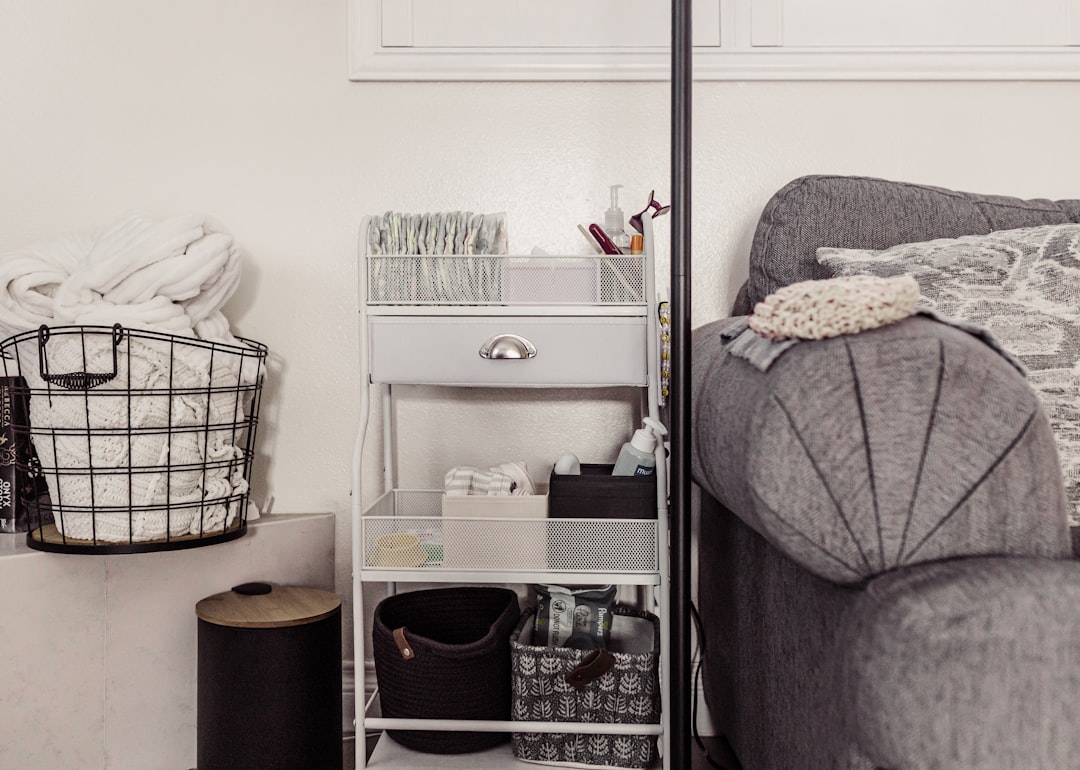
Set up a dedicated feeding/changing zone to streamline routines. Keep a washable changing pad, diaper pail with odor control, burp cloths, bibs, and a small waste bin close by. Use gentle, dermatologist-tested products for skin care and rashes—our Personal Care selection includes baby-safe lotions and cleansers that are mild and fragrance-free.
Play space and toy safety: developmentally appropriate choices
Create a defined play area with age-appropriate toys that encourage exploration but don’t present choking or entanglement risks. Rotate toys to keep interest high and inspect regularly for broken parts. For a wide range of safe, educational options, check our Toys & Games collection.
Technology and monitors: use tools to reduce risk, not replace supervision
Baby monitors, video cameras, and smart sensors can extend your awareness but should never replace direct supervision. Choose monitors with secure connections and sensible placement so cameras can’t be accessed by others. Explore reliable devices and accessories in our Tech & Gadgets offerings to find baby monitors, camera mounts, and smart outlet covers.
Air quality, lighting, and soothing: small changes that improve comfort
Maintain good ventilation and avoid heavy fragrances; a HEPA filter or regular dusting can reduce allergens. Use dimmable or low-blue-light night lights for safe nighttime checks. Soothing tools—white noise machines, soft night lights, and swaddles—help establish sleep routines; consider products in our Stress Relief & Sleep Aids collection for calming sound machines and sleep-enhancing accessories.
Parental wellbeing: a safer baby space starts with you
Organizing, cleaning, and doing nighttime checks are easier when parents have routines and supports in place. Short breaks, good sleep hygiene, and practical self-care reduce errors and fatigue. Browse calming, restorative items and wellness tools in our Wellness & Self-Care collection to help you recharge while caring for a newborn.
Storage and baby-proofing: reduce clutter, reduce risk
Good storage keeps small objects and hazardous items out of reach. Use high shelves or locked drawers for medicines and cleaning supplies; install outlet covers, corner guards, and secure bookshelves to the wall. Label bins for diapers, clothes, and toys so everyone in the household knows where things belong—simple habits cut the chance of accidents.
Quick checklist: essentials for a safe, comfortable baby space
- Firm mattress, well-fitting crib/bassinet; empty sleep surface.
- Changing station stocked with diapers, wipes, rash cream, and a washable pad.
- Non-slip rugs or play mats with easy-to-clean surfaces.
- Secured furniture; outlet covers and cord management.
- Reliable baby monitor and secure camera placement.
- Proper ventilation and a mild humidifier or HEPA air filter if needed.
- Age-appropriate toys rotated and inspected for wear.
- Emergency contacts and pediatrician number posted near phone.
FAQ
- Q: When is it safe to add a blanket or pillow?
A: Avoid blankets, pillows, and soft toys in the sleep area for at least the first year. Use sleep sacks or wearable blankets for warmth instead. - Q: What is the best temperature for a nursery?
A: Aim for a room temperature between about 68–72°F (20–22°C). Adjust clothing and bedding to the season, and use a thermometer to check the room if needed. - Q: How often should I clean toys and play mats?
A: Wipe high-touch toys weekly and wash cloth toys or mats according to the manufacturer—more often if the baby is sick or toys are drooled on frequently. - Q: Are video monitors safe to use for newborns?
A: Yes, when used correctly. Choose encrypted, password-protected devices, place cameras where cables are inaccessible, and avoid overreliance—regular checks are still important. - Q: How do I baby-proof windows and cords?
A: Keep cribs and furniture away from windows. Use cordless blinds or install cleats to wind up cords out of reach; secure long cords and drapes with ties high on the wall.
Conclusion: one practical takeaway
Start by addressing the sleep area and one other high-use zone—like the changing table or play area—then add protections gradually. A safe, comfortable baby space is built with stable furniture, clutter-free floors, secure storage, good air and light, and deliberate routines that support both baby and caregiver.